
Collision Repair in Phoenix, Arizona
Collision Repair in Phoenix, Arizona
The first estimate after an accident is a starting point, not always the complete repair plan. Exterior damage can conceal broken brackets, shifted structural areas, damaged wiring, mechanical concerns or affected safety technology. Midway Collision Center evaluates the vehicle beyond the visible surface so each confirmed repair need can be addressed in the proper sequence.
Our Phoenix collision center provides structural repair, body repair, refinishing, frame alignment, auto glass service and in-house ADAS calibration. Insurance claim assistance is also available when the repairs are connected to a covered loss.
What Collision Repair Is Designed to Accomplish
Collision repair addresses damage to the vehicle's structure, body panels, mechanical components, glass, finish and related electronic systems. The purpose is not simply to make the exterior look better. Repairs may also need to restore panel attachment, structural dimensions, corrosion protection, wheel geometry and the operation of cameras or radar components.
The required work depends on where the vehicle was hit, how collision energy traveled through it and how the manufacturer designed that model. Two vehicles with similar-looking dents can need very different repair plans.
When Does a Vehicle Need Professional Inspection?
A damage assessment is advisable whenever an impact may have affected more than a replaceable exterior part. Warning signs are not limited to severe visible damage.
Arrange an inspection when you notice:
- Uneven panel gaps, rubbing panels or doors that no longer close normally
- Steering changes, vibration, pulling or an off-center steering wheel
- Warning lights, disabled safety features or damaged cameras and sensors
- Fluid leaks, unusual noises or exposed internal components
- Cracked glass, wheel damage or a vehicle that cannot be driven confidently
A vehicle can also have hidden damage without showing any of these symptoms.
From Preliminary Estimate to Repair Blueprint
The process begins with an initial inspection and documentation of visible damage. Diagnostic scanning may be appropriate when the collision could have affected electronic modules or safety systems. If the vehicle can be safely disassembled, damaged exterior parts are removed so concealed areas can be evaluated.
This more complete planning stage is often called blueprinting. It identifies the operations, parts, procedures and related services needed to repair the vehicle. Structural measurements, manufacturer information and additional diagnostics may be included.
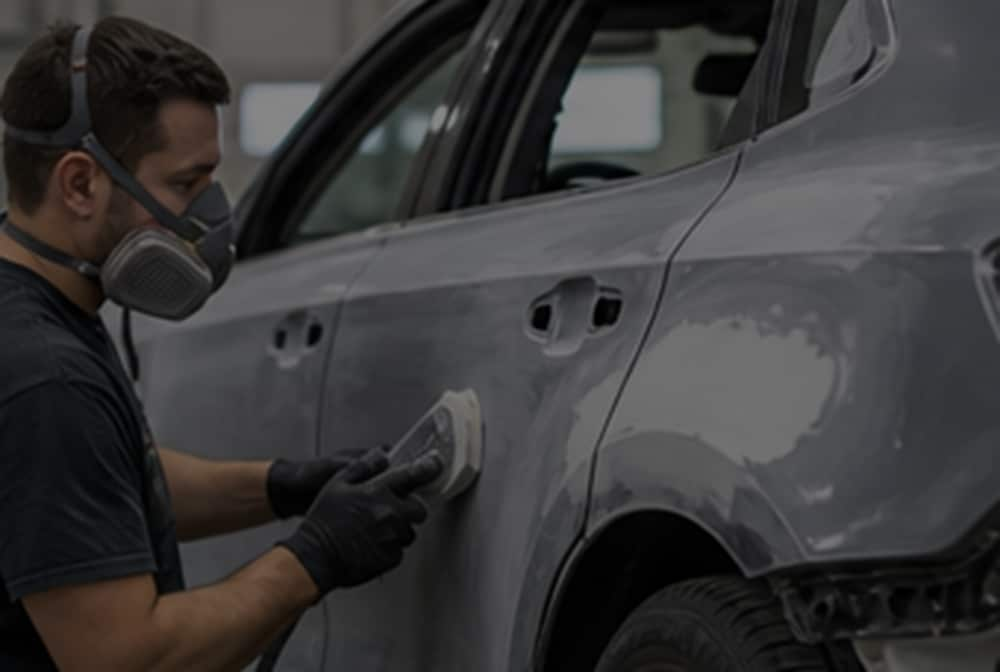
Repairs then proceed in an organized sequence. Structural and mechanical concerns are addressed before body panels are repaired or replaced. Refinished areas receive the needed preparation, primer, color and clearcoat. The vehicle is reassembled, and required calibrations are completed after the related physical work is finished.
Quality control continues throughout the repair rather than being reserved for the final day. Fit, dimensions, attachments, system operation and finish quality are checked at the appropriate stages.
Repair Planning Grounded in Confirmed Qualifications
Midway Collision Center holds factory certifications for Nissan, Volvo and GM vehicles. The center has also achieved Platinum-level I-CAR Gold Class recognition, and its technicians are ASE certified.
These qualifications support repair planning based on applicable manufacturer procedures, material construction and vehicle technology. The center's confirmed capabilities include EV repair, certified aluminum repair and in-house ADAS calibration. That combination is valuable when an impact involves several connected systems rather than a single damaged panel.
Our location at 2201 West Bell Road serves drivers from Phoenix, Glendale, Sun City, El Mirage, Surprise and surrounding Valley communities. Midway Collision Center is affiliated with Midway Chevrolet and Midway Nissan.
How Are Insurance Changes Handled After Disassembly?
Additional damage is documented through a supplement when the repair needs extend beyond the original estimate. A supplement may include photos, measurements, diagnostic findings, parts information and supporting manufacturer procedures.
Midway Collision Center can communicate repair-related findings and coordinate documentation with the insurance company. The insurer remains responsible for coverage and payment decisions, while the vehicle owner retains the right to select a repair facility. Repairs requiring authorization will not be represented as automatically approved.
Begin With the Vehicle’s Current Condition
To start, call the tracking number displayed on this page and explain what happened, whether the vehicle is drivable and where it is currently located. Mention any warning lights, fluid leaks, steering changes or damaged glass.
The team can help determine whether the appropriate next step is an inspection, an estimate discussion, towing coordination or claim-related guidance. You do not need to identify every service before making the call; the damage assessment is intended to establish that plan.
Insurance Communication During Repairs
After the vehicle owner reports the claim, our team can assist with the repair-related insurance process. That may include preparing the estimate, sharing damage documentation, responding to repair questions, and submitting supplements when additional covered damage is found.
Insurance policies, deductibles, and approval procedures differ. An insurer may recommend a particular facility, but the vehicle owner can choose where the vehicle is repaired.
The collision center and insurance carrier also have different roles. The insurer evaluates coverage under the policy, while the repair facility evaluates the vehicle and documents the work required. Clear communication among the customer, shop, and carrier helps keep those responsibilities understood.