
Insurance Claim Support in Phoenix, Arizona
Insurance Claim Support in Phoenix, Arizona
An insurance claim and a collision repair are connected, but they are not the same process. The insurance company evaluates coverage and payment. The collision center evaluates the vehicle and develops the repair plan. Understanding that distinction can make the experience less confusing when estimates change, additional damage is found or an insurer requests more documentation.
Midway Collision Center provides insurance claim assistance for Phoenix-area customers. The team can help document collision damage, explain repair-related steps and communicate with the insurer while keeping the vehicle owner informed.
The Repair Estimate Is Based on What Can Be Confirmed
An initial estimate usually reflects visible damage and the information available before disassembly. It may not include broken mounting points, concealed structural movement, damaged wiring, affected sensors or parts hidden behind exterior panels.
Once the vehicle is disassembled, the repair team can create a more complete plan. This stage may identify additional operations, replacement parts, diagnostic work, structural measurements or calibrations. The estimate can then be updated to reflect the confirmed repair needs.
What Does the Collision Center Handle?
Midway Collision Center can assist with repair-related portions of the claim, including:
- Documenting visible and hidden collision damage
- Preparing or updating the repair estimate
- Supplying photographs and supporting repair information
- Communicating supplements to the insurer
- Explaining manufacturer-required procedures
- Coordinating approved repair steps and customer updates
The collision center does not determine whether the loss is covered, set deductibles, interpret the policy for the insurer or guarantee authorization.
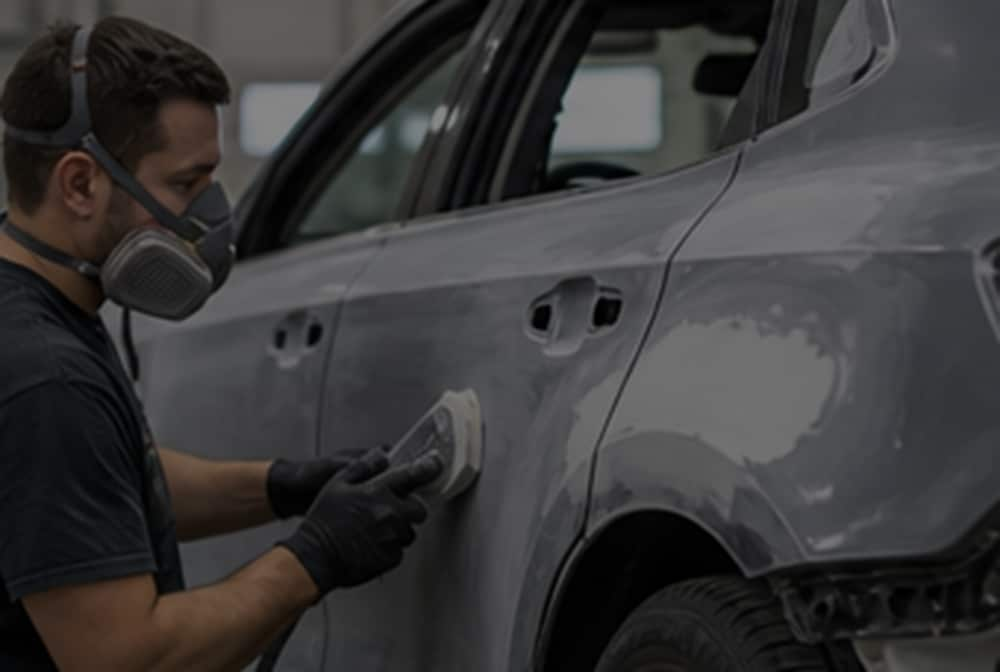
Supplements Are a Normal Part of Many Repairs
A supplement is an addition or revision to the original estimate. It is commonly used when more damage becomes visible after parts are removed or when the repair plan requires procedures that were not included initially.
For example, a bumper impact may conceal a damaged reinforcement, sensor bracket or absorber. A side impact may reveal structural movement after interior trim and exterior panels are removed. A windshield or suspension repair may also trigger a manufacturer-required ADAS calibration.
Midway Collision Center can document these findings and explain their relationship to the collision. The insurer then reviews the submitted information and makes its coverage or payment decision.
Can You Choose Your Own Collision Center?
Vehicle owners generally choose where their vehicle is repaired. An insurer may recommend facilities or describe a preferred repair program, but the repair decision belongs to the customer.
Choosing a facility based on verified capabilities can be especially important when the vehicle requires factory-specific procedures, aluminum repair, EV collision work, structural repair or ADAS calibration. Midway Collision Center holds factory certifications for Nissan, Volvo and GM vehicles, has Platinum-level I-CAR Gold Class recognition and employs ASE-certified technicians.
Repair Decisions Should Follow the Vehicle
Insurance estimates may use standardized databases and claim procedures, while vehicle manufacturers issue model-specific repair instructions. When a manufacturer procedure identifies a required inspection, replacement method, scan or calibration, the collision center can provide that information as part of the claim documentation.
This does not mean every submitted operation will automatically be approved. It means the requested repair can be explained using the vehicle's construction, confirmed damage and applicable procedures rather than unsupported preference.
Communication Throughout the Claim
Customers should know when the vehicle has been inspected, when additional damage is discovered and when insurer review affects the next repair step. Midway Collision Center helps explain those changes without expecting the customer to interpret technical repair language alone.
Drivers from Phoenix, Glendale, Scottsdale, Paradise Valley, Tempe, Sun City and surrounding communities can contact the center whether a claim has already been opened or they are still deciding what to do next.
Insurance Claim FAQs
No. You may contact the collision center before or after opening the claim. An insurer’s preliminary estimate can be useful, but it does not have to be completed before the vehicle is inspected by the repair facility. Bring or provide any claim information you already have so the team can coordinate the next repair-related steps.
The difference may result from hidden damage, additional parts, manufacturer procedures, diagnostic work or required calibrations that were not included initially. Midway Collision Center can document those items and submit a supplement for review. The insurer determines coverage and payment, so a higher repair estimate should not be described as automatically approved.
No deductible waiver has been confirmed and should not be promised. The deductible is part of the customer’s insurance policy and is generally owed according to the claim terms. Questions about the deductible amount or whether it applies should be directed to the insurer, while the collision center can explain how it relates to the repair payment.
Customers generally have the right to select their repair facility. Insurers may recommend participating shops or explain benefits connected with their programs, but a recommendation is not necessarily a requirement. Customers should review their policy and applicable state rules and choose a facility based on the vehicle’s repair needs and verified capabilities.
When disassembly or diagnostics reveal additional collision damage, the repair facility documents the findings and prepares a supplement. The insurer reviews the added operations, parts and supporting information. Repair timing may be affected while authorization is pending. Midway Collision Center can communicate the status and explain what remains under review.
Start With the Claim Information You Have
Call the tracking number displayed on this page and provide the vehicle information, date of loss, insurer and claim number when available. Also explain where the vehicle is located and whether it can be driven.
The team can help identify the next practical step, such as an inspection, estimate review, towing coordination or repair authorization discussion.