
Aluminum Collision Repair in Phoenix, Arizona
Aluminum Collision Repair in Phoenix, Arizona
Aluminum can reduce vehicle weight while still providing strength, but it does not behave like conventional automotive steel during a collision or repair. It responds differently to impact, heat, reshaping and contamination. That means aluminum damage should be evaluated as a material-specific repair-not handled as ordinary sheet metal with a different label.
Midway Collision Center has confirmed certified aluminum repair capability for damaged aluminum panels and components. The repair plan is based on the affected vehicle, the location of the damage and applicable manufacturer procedures.
The Material Changes the Repair Decision
Some vehicles use aluminum for hoods, doors, liftgates, fenders or other exterior panels. Others incorporate it into structural areas. A technician must first identify what is damaged and determine whether the manufacturer permits repair, requires replacement or specifies a particular attachment method.
Aluminum does not respond to straightening in the same way as steel. It can also be more sensitive to heat and may become brittle, stretched or weakened if handled incorrectly. When structural aluminum is involved, dimensions, joints and attachment points can influence occupant protection, panel alignment and the way collision forces are managed.
When Should Aluminum Damage Be Inspected?
An aluminum-specific assessment may be appropriate after:
- A dent, crease, tear or puncture in an aluminum panel
- Damage to an aluminum hood, door, fender or liftgate
- A collision involving an aluminum structural component
- Cracked, separated or distorted attachment areas
- Damage near bonded, riveted or welded joints
The visible dent does not always reveal the complete condition. Adjacent mounting points, reinforcements and connected materials may also need examination before a repair-versus-replacement decision can be made.
From Material Identification to Final Fit
The first step is confirming the construction of the affected area. Vehicle information and manufacturer repair procedures help identify the material, permissible repair zones and required joining methods.
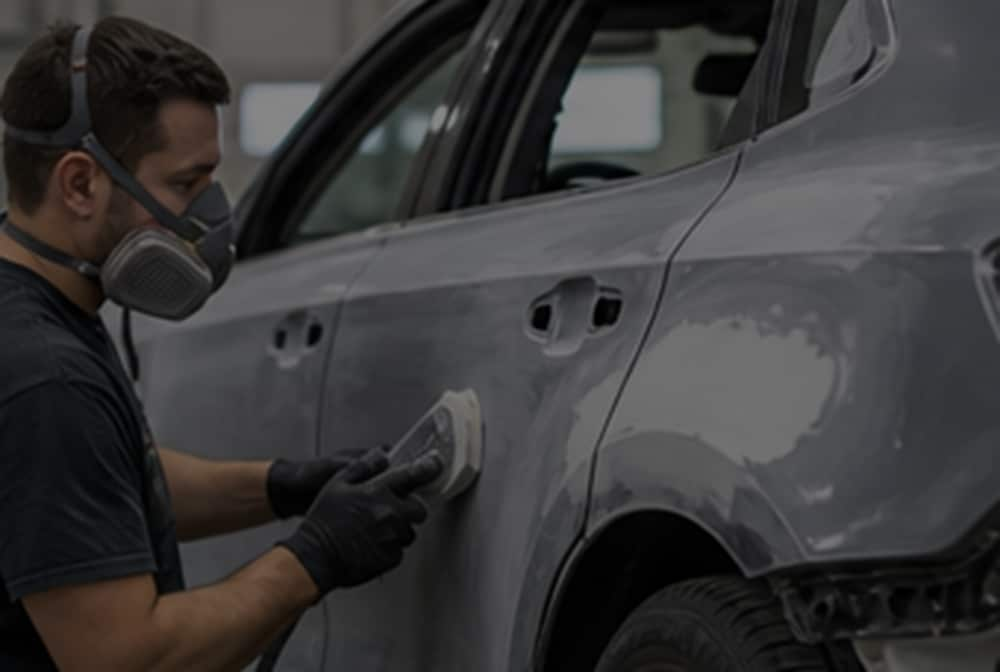
The damaged area is then examined for distortion, stretching, cracking and movement at nearby attachments. Structural areas may require measurement to determine whether the impact changed critical dimensions. Depending on the manufacturer's instructions, the solution may involve controlled panel repair, component replacement or installation using approved fastening, bonding or welding procedures.
Tools and work practices used for aluminum must also limit contamination from steel particles. This matters because cross-contamination can contribute to corrosion and interfere with a durable repair.
After the work is completed, panel alignment, attachment integrity, surface preparation and surrounding components are checked. Refinish preparation must protect the repaired metal while supporting proper paint adhesion and appearance.
Why Certification Matters With Aluminum
Aluminum repair is not a service where broad collision experience alone answers every question. Technicians need to know when the material can be reshaped, when it must be replaced and which manufacturer procedure governs the work.
Midway Collision Center combines certified aluminum capability with factory certifications for Nissan, Volvo and GM. The facility also holds Platinum-level I-CAR Gold Class recognition, and its technicians are ASE certified. These qualifications support repair planning that considers material construction, structural requirements and connected vehicle technology.
The Phoenix location serves drivers from communities including Fountain Hills, Mesa, Chandler, Scottsdale and Paradise Valley without forcing customers to separate material-specific repairs from the rest of the collision process.
Insurance Documentation for Material-Specific Work
An initial insurance estimate may not identify every aluminum procedure before the damaged area is fully inspected or disassembled. If additional operations, replacement parts or joining requirements are discovered, Midway Collision Center can document them and submit repair-related information through the supplement process.
Customers retain the right to choose their repair facility. Coverage, part decisions and claim approvals depend on the policy and insurer, but the center can explain how the confirmed damage and manufacturer instructions shaped the proposed repair.
Bring the Vehicle in for the Right Evaluation
It may not be obvious whether a damaged panel is aluminum simply by looking at it. Rather than guessing, provide Midway Collision Center with the year, make and model of the vehicle and describe where the impact occurred.
Call (602) 866-0102 or (602) 738-3808 to schedule an inspection or discuss a non-drivable vehicle. The next step is determining what material was affected and what the manufacturer allows-not forcing the damage into a standard repair method.