
Paintless Dent Repair in Phoenix, Arizona
Paintless Dent Repair in Phoenix, Arizona
Not every dent requires filler, primer and new paint. When the original finish remains intact and the metal has moved without severe stretching or cracking, paintless dent repair may provide a less invasive way to restore the panel.
Midway Collision Center offers paintless dent repair, commonly called PDR, for qualifying vehicle damage. Every dent must be inspected because location, depth, material and paint condition determine whether the method is appropriate.
Preserving the Existing Finish
PDR reshapes damaged metal without refinishing the panel. A technician carefully works the affected area back toward its original contour using access from behind the panel or specialized exterior methods when rear access is limited.
Because the existing paint remains in place, qualifying repairs may avoid color-matching concerns and reduce the number of refinishing operations. Preserving the original finish can also be valuable for vehicle appearance and long-term ownership.
This method is not a shortcut for damage that requires conventional repair. It is a specific technique for dents that meet the right conditions.
Which Dents May Qualify for PDR?
Paintless repair may be considered for:
- Shallow door dings and parking-lot dents
- Minor hail-related dents
- Broad dents without sharp creases
- Damage where the paint remains flexible and unbroken
- Accessible areas where the metal has not stretched severely
Panel edges, body lines and reinforced areas can be more difficult to repair. Aluminum panels may also respond differently from steel and require material-specific skill.
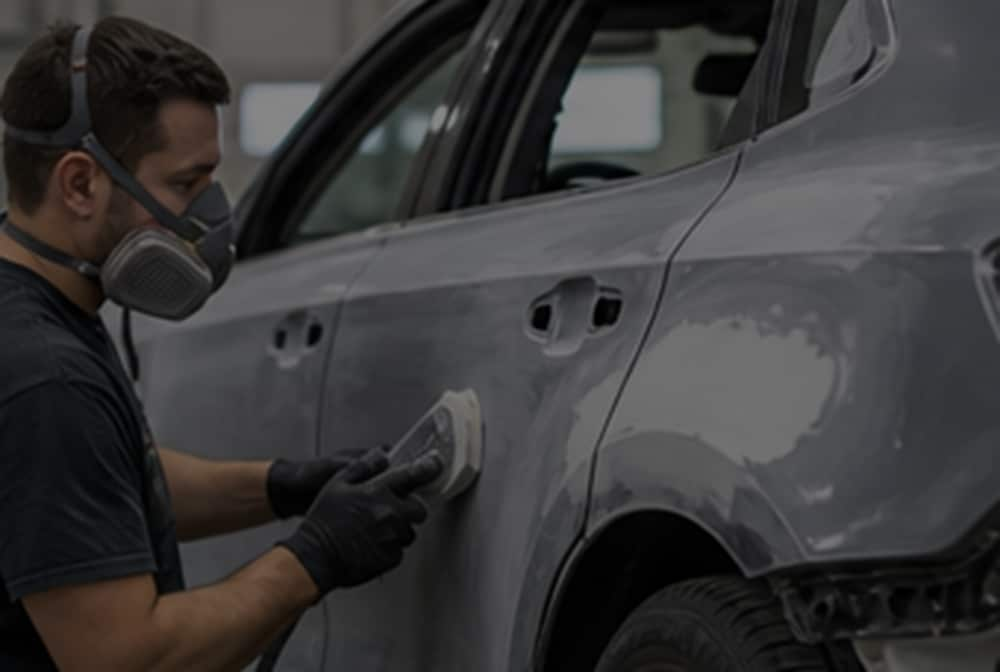
When Is Conventional Body Repair the Better Choice?
A dent may require standard body and paint work when the finish is cracked, scraped through or separated from the panel. Deep creases, tears, punctures and severe stretching can also exceed the limits of PDR.
Damage near welded reinforcements, inaccessible cavities or structural areas may require another approach. The same is true when a collision has affected brackets, inner panels, sensors or nearby components.
An inspection should determine whether the visible dent is isolated. Paintless dent repair should not be used to conceal a broader collision problem.
How Is the Dent Evaluated and Repaired?
The technician examines the dent under controlled lighting to understand its depth, shape and pressure points. The paint surface is checked for cracking, prior repair and signs that the metal has stretched.
Access may require removal of trim, lamps or interior components. The metal is then moved gradually rather than forced all at once. Controlled pressure helps reduce high spots and restore the panel contour while protecting the original finish.
The area is reviewed from multiple angles throughout the repair. Once completed, removed components are reinstalled and the panel is checked for appearance and proper fit.
PDR as Part of a Larger Repair Plan
Some vehicles have a mixture of damage. One panel may qualify for paintless dent repair while another requires conventional repair and refinishing. A collision may also involve glass, structural areas or ADAS components.
Midway Collision Center can evaluate PDR alongside its paint and body, aluminum, frame alignment and in-house ADAS calibration capabilities. The center holds factory certifications for Nissan, Volvo and GM vehicles, has Platinum-level I-CAR Gold Class recognition and employs ASE-certified technicians.
Insurance and Valley-Area Service
Paintless dent repair may be included in an insurance claim when the damage results from a covered event such as hail, vandalism or a collision. Coverage depends on the policy, deductible and insurer's evaluation.
Drivers from Fountain Hills, Paradise Valley, Scottsdale, Sun City West, Surprise and other Valley communities can bring qualifying dents to the Phoenix location for assessment.
Let the Dent Determine the Method
Call the tracking number displayed on this page to schedule an inspection. Describe the dent's size, location and cause, and mention whether the paint is chipped or cracked.
The team can determine whether PDR is suitable or whether conventional body repair would provide the more appropriate result.